Are Smart Rings the Next Big Thing in Wearables?

Updated: Jul 23, 2025
First came fitness bands. Then, smartwatches took over. Now, the spotlight is shifting to a subtler, sleeker innovation: the smart ring. Compact, stylish, and packed with health tracking tech, smart rings are being touted as the next big thing in wearables. But do they live up to the hype, or are they just a novelty in a saturated market?

In this guide, we explore what smart rings do, how they stack up against smartwatches, and why they might just earn a spot on your finger in 2025.
What Exactly Is a Smart Ring?
A smart ring is a lightweight band embedded with sensors that monitor your health and fitness data, much like a smartwatch. These rings can measure:
Heart rate (resting and continuous)
Sleep quality and stages
Blood oxygen (SpO₂)
Skin temperature
Activity levels
Heart rate variability (HRV)
With no screen, smart rings focus on gathering accurate data without bombarding you with notifications. You simply wear the ring, sync with the companion app, and get all the insights you need in a streamlined format.
The Smart Ring Scene in 2025
Several brands are leading the charge in the smart ring market. Here's a look at the major players:
• Oura Ring Gen 4
Oura remains the gold standard in the smart ring space. The latest Gen 4 model offers real time heart rate tracking, enhanced sleep staging, and deep integration with both Apple Health and Google Fit. It's discreet and elegantly designed, available in multiple finishes including sleek titanium.
• Ultrahuman Ring Air
This performance focused ring is designed for serious athletes and biohackers. It delivers insights into metabolic performance, pairs well with glucose monitoring systems, and prioritises recovery and readiness tracking.
• RingConn Smart Ring
RingConn has gained popularity by offering a solid feature set without locking users into a subscription. It tracks all the essentials, and the open API means it plays well with other fitness ecosystems.
• Evie Ring
Tailored for women, the Evie Ring focuses on menstrual health, mood tracking, and stress management. It’s also open loop in design, making it uniquely comfortable and stylish.
Why Smart Rings Are Gaining Momentum
Discreet Health Tracking
Not everyone wants a screen on their wrist. Smart rings offer a minimalist, screen free way to track your metrics, perfect for both gym goers and professionals alike.
Unbeatable Sleep Insights
Smart rings are particularly adept at sleep tracking due to their comfortable, non intrusive design. They're less likely to shift at night than wristwear, making overnight data more accurate.
Longer Battery Life
Most smart rings last 4 to 7 days per charge, outlasting many smartwatches. With no screen to drain the battery, you get more time between charges.
Laser Focused Metrics
Unlike smartwatches, which juggle calls, texts, apps, and fitness, smart rings specialise in health tracking and they do it well.
Where Smart Rings Still Fall Short
No Workout Tracking
While smart rings measure general activity, they can’t accurately track workouts like runs, cycling, or HIIT sessions. Movements during exercise disrupt ring based sensors, limiting their usefulness for active monitoring.
No Smart Features
Smart rings don’t offer notifications, GPS, music control, or payment features. They’re built for insights, not interaction.
Sizing Matters
Getting the right fit is crucial for data accuracy. Most brands send out a sizing kit before purchase, but it’s an extra step in the buying process.
Who Should Consider a Smart Ring?
Wellness Seekers
If you're focused on sleep quality, stress levels, and readiness scores rather than high intensity workouts, a smart ring could be perfect.
Professionals and Minimalists
Don’t want another screen in your life? Prefer clean aesthetics? Smart rings are a dream come true for low key health monitoring.
People Who Already Own a Smartwatch
If you’ve got a smartwatch and want even better sleep data, a smart ring can be a powerful secondary wearable that handles the metrics your watch misses.
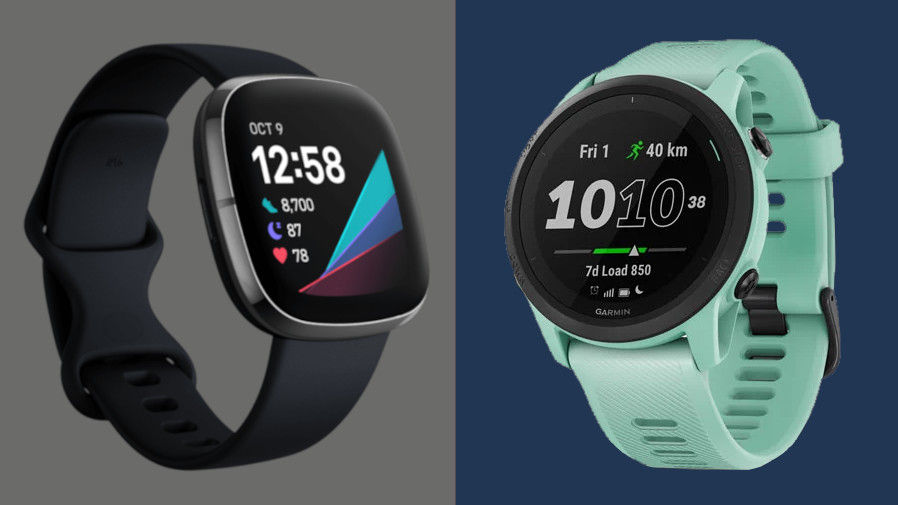
Smart Rings vs Smartwatches: Which Should You Get?
It comes down to your lifestyle. Smart rings are fantastic for discreet, focused health tracking, especially for sleep and recovery. If you're not fussed about on screen features and just want meaningful wellness data, a smart ring is ideal.
But if you want full fitness tracking, app notifications, GPS, and interactive features, a smartwatch still rules the roost. A watch is your go to for active workouts and all in one convenience.
Some fitness lovers even opt for both: a smart ring at night, a smartwatch during the day. Double the data, double the insight.
Are They Worth the Investment?
Smart rings sit in the £250 to £400 range, with some requiring a monthly subscription for full access to insights. It’s not a small expense, but for those who value long term health data and minimalism, it can be worth every penny.
Choose a smart ring if you:
Prioritise sleep and recovery tracking
Want a discreet, elegant wearable
Prefer fewer distractions and notifications
Already own a smartwatch and want deeper data
Maybe skip it if you:
Need built in workout tracking or GPS
Want smart features like calls, apps, or music
Don’t want to fuss with sizing or subscriptions
Final Thoughts: Small Tech, Big Impact
Smart rings might be small, but they’re making a serious impression on the wearable scene. They don’t aim to replace your smartwatch; they exist to complement it, or even quietly outperform it in the areas that matter most.
As tech continues to shrink and refine, rings could be just the beginning of a wave of powerful, unobtrusive wearables. Whether you're a wellness geek, a sleep obsessed athlete, or simply someone who prefers subtlety, smart rings in 2025 are more than a trend; they're a statement.
And honestly? We’re here for it.
— Charles Cooper, Wearables & Fitness Tech | The Tech Advisor


Comments