Are Wearables Replacing Your Doctor?

Updated: Jul 23, 2025
Walk into any gym or coffee shop today, and you’re bound to spot someone checking their smartwatch like it’s delivering news from NASA. With wearables now tracking everything from heart rate to hydration, the question isn't whether these gadgets are useful, it’s whether they’re edging into territory once reserved for GPs and specialists.

So, are wearables replacing your doctor in 2025? Let’s unpack what the tech says.
From Step Counters to Health Companions
A decade ago, wearables were little more than glorified pedometers. Now, they’re sophisticated, AI powered health companions. The Apple Watch Series 9 and Galaxy Watch6, for example, can alert you to irregular heart rhythms, detect hard falls, and even check your blood oxygen levels, all from your wrist.
Add to that stress monitoring, sleep tracking, ECGs, skin temperature sensors, and menstrual cycle predictions, and it's no surprise some users are questioning whether they still need to book that annual check up.
But let’s not confuse convenience with complete care. While wearables provide helpful snapshots of our daily health, they aren’t yet a substitute for a trained physician’s insight, context, or clinical tools.
What Can Today’s Wearables Really Do?
Here’s a breakdown of the top features available in consumer grade wearables in 2025:
Cardiac Health Monitoring
Many wearables, including the Fitbit Sense 2 and Withings ScanWatch, offer ECG functionality. These devices can detect signs of atrial fibrillation (AFib) and provide irregular rhythm notifications. They’re not definitive diagnostic tools, but they give you enough data to bring to your GP.
Blood Oxygen & Breathing Trends
SpO2 sensors are now standard in most smartwatches, helping you monitor your oxygen saturation levels, especially useful if you suffer from sleep apnoea, asthma, or are recovering from respiratory illnesses.
Skin Temperature and Cycle Tracking
The latest Fitbit and Apple models offer overnight skin temperature tracking, providing insights into illness, ovulation, and even COVID 19 onset patterns.
Stress and Mental Wellness
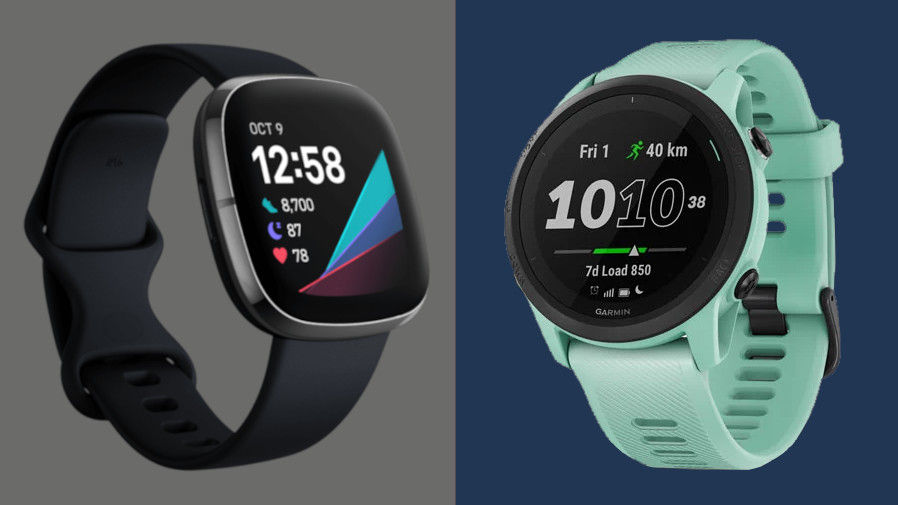
Fitbit’s EDA sensors, Garmin’s Body Battery, and Oura Rings help quantify stress and recovery by analysing heart rate variability and skin conductance. For mental health awareness, these metrics are game changing, especially when combined with guided breathing and mindfulness apps.
Blood Pressure Monitoring (Almost)
Samsung’s Galaxy Watch now offers cuffless blood pressure monitoring (after calibration). While it’s not yet available globally, it’s a glimpse into the future where hypertension could be managed from your wrist.
AI Meets Preventative Care
Where wearables are truly pushing the boundaries is in predictive health. Using machine learning algorithms, devices like the WHOOP Strap 5.0 and Oura Ring Gen 3 are capable of warning you when your recovery is low, your readiness score is off, or when you’re at risk of overtraining.
Some apps, like Fitbit’s Daily Readiness Score or Garmin’s Health Snapshot, use this data to nudge users towards early interventions, “Take a rest day,” or “Get more sleep tonight”, before your body hits burnout or illness.
That’s not just convenient. That’s a revolution in preventative care.
The Rise of Remote Health Monitoring
Wearables are also increasingly being used by healthcare professionals. In the UK, NHS pilot programmes have explored using devices like the Apple Watch and KardiaMobile for remote cardiac monitoring.
This kind of tech could reduce unnecessary hospital visits and ease pressure on overstretched GP services.
Elderly patients, in particular, benefit from fall detection and emergency SOS features, giving family members peace of mind while maintaining independence. Some wearables even allow doctors to monitor patients post surgery or during chronic illness recovery.
So, Could They Replace Your GP?
The short answer? Not quite, at least not yet.
Here’s why:
1. Wearables Aren’t Always Accurate
Consumer wearables provide estimates, not clinical grade measurements. While heart rate tracking has become impressively precise, metrics like blood oxygen, blood pressure, and calorie burn still vary based on wrist fit, skin tone, movement, and device type.
2. Context is Everything
A wearable might notice an irregular heartbeat, but it won’t know your full medical history, allergies, stressors, or whether you’ve just had too much coffee. Doctors interpret data holistically, using labs, scans, and years of training.
3. Not Everyone Uses Them Correctly
Even the best wearable can’t help if it’s gathering incomplete or misinterpreted data. Skipped readings, forgotten charging, or wearing the device too loosely can throw off results.
4. No Physical Exams or Prescriptions
Let’s face it: your Fitbit can’t feel your swollen ankle, look in your throat, or prescribe antibiotics. There are still plenty of healthcare scenarios where hands on care is essential.
Where Wearables Shine: Empowerment & Engagement
Despite their limitations, wearables are helping people become more engaged with their health than ever before. They encourage users to be proactive, take charge of their wellness, and develop healthier habits. In many ways, they’re bridging the gap between doctor’s visits and everyday life.
Need to drink more water? There’s a hydration tracker for that. Trouble sleeping? Your Oura Ring will nudge you into a better bedtime routine. Trying to train smarter? Garmin and
WHOOP will coach you through recovery like a personal trainer on your wrist.
And most importantly, they’re opening up conversations. People now walk into GP offices with months of heart data in hand, helping doctors spot patterns earlier and take more informed action.
What’s Coming Next?
The future of wearable health tech looks even more ambitious:
Non invasive glucose monitoring is in development, which could be a game changer for diabetics.
Wearable patches may soon track hydration and electrolytes in real time.
Smart clothing and shoes will provide posture and gait analysis.
AI based health coaching is expected to personalise your health journey far beyond what current apps can offer.
As AI continues to improve, wearables may become virtual assistants for your health, alerting you to risks, booking appointments, even analysing lab results.
Final Thoughts: Teammates, Not Replacements
So, are wearables replacing your doctor? Not quite. But they are becoming an essential part of the modern health toolkit. Think of them as teammates: always on, always tracking, gently guiding you towards better habits.
In a world where doctor’s appointments can take weeks and stress levels are high, wearables offer something powerful daily awareness.
And while they’re no substitute for a qualified medical opinion, they just might be your first line of defence in living a longer, healthier, and more connected life.
— Charles Cooper, Wearables & Fitness Tech | The Tech Advisor


Comments