The Best Microphones of 2024: Top Picks for Every Recording Need

Welcome back to The Tech Advisor—your ultimate guide for all things tech! Today, we’re spotlighting a crucial piece of gear for any audio creator: microphones. Whether you’re recording vocals, podcasts, or instruments, the right microphone can make all the difference in capturing high-quality sound. We’ve tested the best microphones of 2024 to bring you our top recommendations, each with its own set of features, benefits, and considerations. Let’s explore what makes these microphones stand out, why we love them, and help you find the perfect mic for your needs.
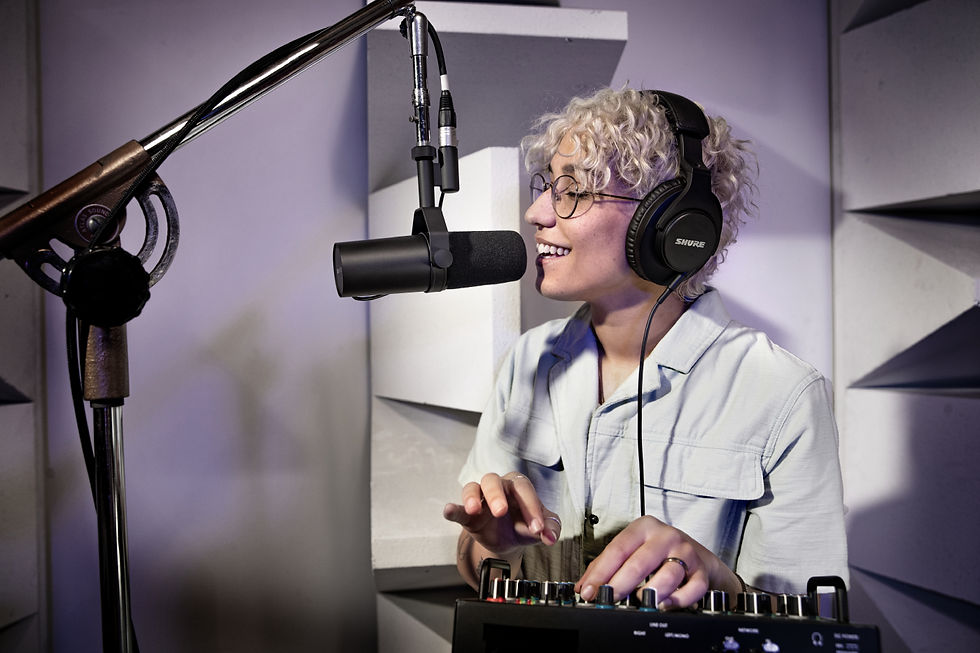
1. Shure SM7B
Why We Love It
The Shure SM7B is our top pick for a versatile, high-quality dynamic microphone that excels in a variety of recording scenarios. We love this mic for its exceptional sound quality, robust build, and iconic status in the audio world. It’s perfect for professional vocal recordings, podcasting, and more.
Pros:
Legendary Sound Quality: Smooth and natural sound reproduction with a wide frequency response.
Versatile Use: Great for vocals, instruments, and broadcast applications.
Excellent Build Quality: Durable construction with a classic design.
Built-in Air Suspension System: Reduces mechanical noise and vibrations.
Professional Standard: A go-to mic for many top studios and broadcasters.
Cons:
Expensive: Priced around $399, which might be a stretch for beginners.
Requires Preamp: Needs a high-gain preamp for optimal performance.
2. Rode NT1-A
Why We Love It
The Rode NT1-A is our favorite for an affordable, high-quality condenser microphone that’s perfect for studio recordings. We love this mic for its clear, detailed sound and exceptional value. It’s ideal for vocal recordings, acoustic instruments, and voiceovers.
Pros:
Outstanding Value: Priced around $269, offering high-quality sound at a reasonable price.
Clear and Detailed Sound: Cardioid condenser mic with a very low self-noise.
Complete Kit: Includes a shock mount, pop filter, and an XLR cable.
Versatile Applications: Excellent for vocals, instruments, and voiceovers.
Affordable: Great option for those on a budget who still want professional quality.
Cons:
Sensitive to Ambient Noise: Captures a lot of background sound due to its high sensitivity.
Requires Phantom Power: Needs 48V phantom power for operation.
3. Audio-Technica AT2020
Why We Love It
The Audio-Technica AT2020 is our pick for a reliable and budget-friendly condenser microphone that doesn’t compromise on performance. We love this mic for its solid sound quality, affordability, and ease of use. It’s great for beginners and those needing a dependable workhorse.

Pros:
Great Value: Priced around $149, offering excellent performance for the price.
Clear and Balanced Sound: 20Hz-20kHz frequency response with low self-noise.
Durable Build: Sturdy construction suitable for regular use.
Easy Setup: Simple to use with no complex setup requirements.
Affordable: Perfect for those starting out or needing a reliable mic.
Cons:
Limited Features: Basic mic with no advanced features like switchable patterns.
Entry-Level Quality: Not as high-end as more expensive models.
4. Blue Yeti X
Why We Love It
The Blue Yeti X is our favorite for a high-quality USB microphone that’s ideal for podcasting, streaming, and voiceovers. We love this mic for its easy-to-use USB connectivity, versatile recording options, and exceptional sound quality. It’s perfect for content creators and remote workers.
Pros:
Excellent Sound Quality: Four pickup patterns (cardioid, bidirectional, omnidirectional, stereo).
USB Connectivity: Plug-and-play setup with direct connection to your computer.
Built-In Features: LED metering and onboard controls for volume, gain, and mute.
Versatile Usage: Great for podcasts, streaming, and interviews.
Affordable: Priced around $169, offering good features for the cost.
Cons:
Not as Portable: Bulky design not ideal for on-the-go recording.
Limited to USB: No XLR output for professional studio setups.
5. Neumann U87 Ai
Why We Love It
The Neumann U87 Ai is our pick for the ultimate high-end studio microphone for professional audio recording. We love this mic for its unmatched sound quality, versatile features, and storied legacy in the recording industry. It’s perfect for top-tier vocal recordings and studio applications.
Pros:
Unmatched Sound Quality: Legendary sound with exceptional clarity and detail.
Three Polar Patterns: Cardioid, omnidirectional, and figure-eight patterns.
Industry Standard: A staple in professional studios worldwide.
High Build Quality: Precision-engineered with durable components.
Exceptional Versatility: Ideal for vocals, instruments, and more.
Cons:
Extremely Expensive: Priced around $3,200, which is a significant investment.
Requires Professional Setup: Best used with high-end preamps and studio environments.
Conclusion
Choosing the best microphone depends on your recording needs, budget, and level of expertise. Here’s a quick recap to help you find the right microphone for your audio projects:
For a versatile, professional-grade microphone: The Shure SM7B is our top recommendation.
For an affordable, high-quality condenser mic: The Rode NT1-A offers great performance for the price.
For a reliable and budget-friendly choice: The Audio-Technica AT2020 provides solid value.
For a high-quality USB microphone for content creation: The Blue Yeti X is perfect for podcasters and streamers.
For the ultimate high-end studio microphone: The Neumann U87 Ai is the best choice for professionals.
No matter which microphone you choose, these top picks will help you achieve high-quality recordings and elevate your audio projects. Stay tuned to The Tech Advisor for more reviews, tips, and updates on the latest tech gear. Happy recording!
FAQs
1. What is the difference between a dynamic and a condenser microphone?
Dynamic microphones are more rugged and handle high sound pressure levels, making them great for live performances and loud sources. Condenser microphones are more sensitive and detailed, making them ideal for studio recordings and capturing subtle nuances.
2. Do I need an audio interface for a USB microphone?
No, USB microphones connect directly to your computer via a USB port. XLR microphones require an audio interface or preamp for connection and signal processing.
3. What is phantom power, and do I need it?
Phantom power (48V) is required for condenser microphones to operate. It’s provided through the microphone preamp or audio interface.
4. How do I choose the right polar pattern for my microphone?
Polar patterns determine how the microphone picks up sound. Cardioid is best for isolating a single sound source, omnidirectional captures sound from all directions, bidirectional records from two opposite sides, and stereo captures a wide soundstage.
5. What is the best microphone for podcasting?
For podcasting, a dynamic microphone like the Shure SM7B or a USB microphone like the Blue Yeti X are great choices due to their sound quality and ease of use.
Feel free to leave a comment with your favorite microphone or any questions you might have!
Related Articles:
Thanks for reading, and be sure to check back for more updates from The Tech Advisor!
The Tech Advisor – Your Source for the Latest in Tech!

Comments